Ragnar Jónasson
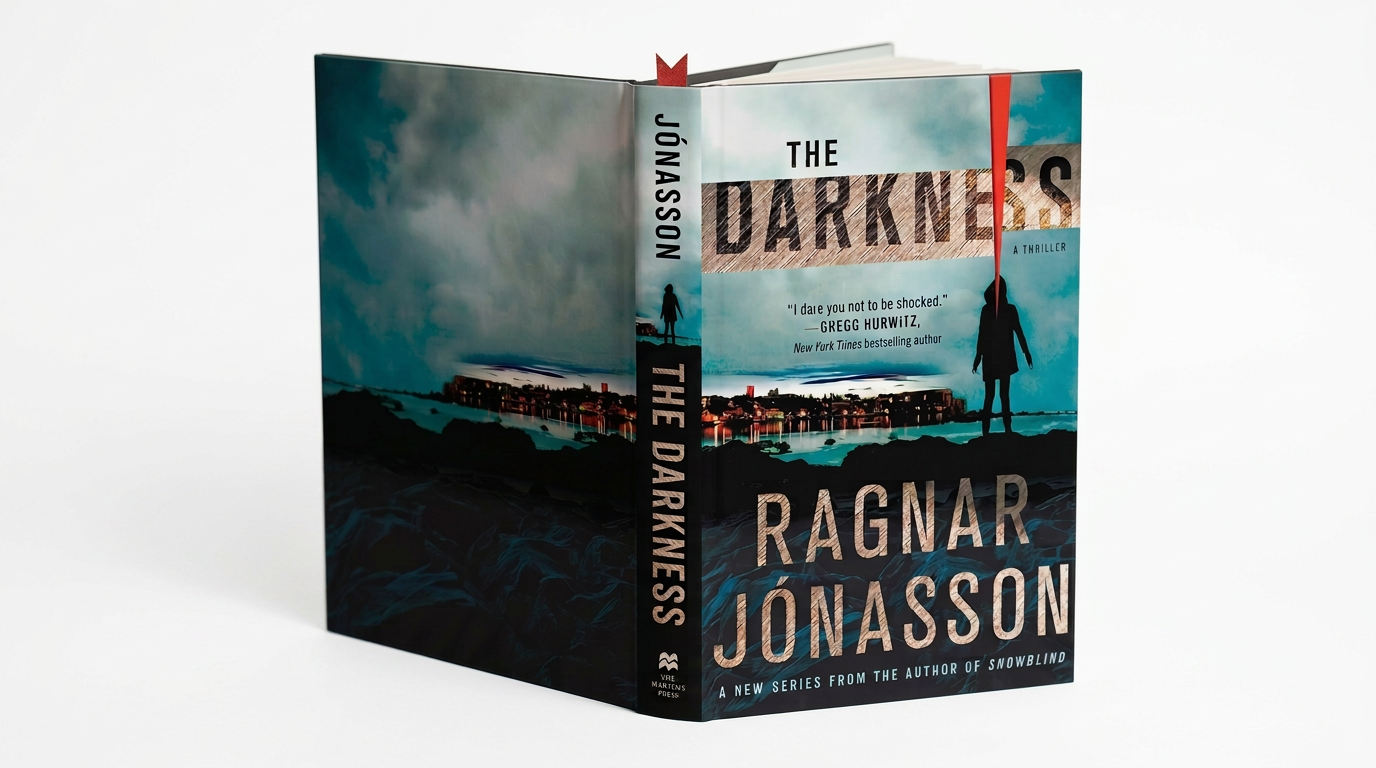
The Darkness (Minotaur Books, 2018), translated from the Icelandic by Victoria Cribb, is the first novel in his series about Detective Inspector Hulda Hermannsdóttir of the Reykjavík police. Hulda is sixty-four and expects to retire at sixty-five, but her boss tells her she must leave within weeks. Before she goes, she may reopen one cold case of her choice, and she picks the death of a young Russian asylum seeker, found dead on the Icelandic shore and quickly written off as a suicide.
We chose The Darkness because Claudia had planned a vacation in Iceland, and none of us had yet read a book by an Icelandic writer. A sixty-four-year-old police detective facing mandatory retirement at sixty-five fit our theme of fiction with women protagonists over sixty.
I was disappointed by the ending. When I said so, the group immediately launched into a fairly spirited conversation. Surprise endings, it seems, are favored in mystery novels, a genre with which I am less familiar. Some of us were surprised, but no one else responded as negatively as I did.
So of course I wondered what everyone else had appreciated in the novel. I discovered that the plot kept readers engaged, that most of us liked the short chapters (some only a single page long), and that we were all fascinated by the descriptions of nature. Several readers admitted feeling cold as they read about the freezing temperatures. Several others said they had to limit their reading to the daytime to keep from having nightmares. Joan suggested we dip into a couple of the most famous Icelandic mysteries for comparison.
I admit I was irritated with the author. He created a credible protagonist who seemed to be approaching a happier period in her life, including a friendship with a widowed doctor very unlike her monstrous, now-dead husband. I wanted a happier ending for this woman whose life had been so difficult. I learned that the author has written another volume that comes before this one in its account of her life, but I have no desire to read it now that I know how it ends up!
Even so, I admitted that I was glad I had read the book as an experience. I just wasn’t planning to recommend it to anyone else.
Looking ahead
We ended our discussion by speculating about future directions. I think it’s fair to say that we appreciate having a theme. We are a little burned out on sad endings and would like to read a wider range of fiction, including some books that are happy and upbeat, though not Pollyanna-ish or saccharine. Suggestions ranged from books about younger characters, perhaps even coming-of-age fiction or perhaps even non-fiction.. Liz asked us to start sending her books we have enjoyed and would recommend. Rather than change themes abruptly, we will look at those suggestions first and see whether we can tease a theme out of them.
I mentioned switching from two books a month to one, but the idea was quickly dropped, which I must admit was a relief. Several people have had trouble keeping up recently because of all sorts of outside challenges, but that does not mean we should reduce our reading load. So for the time being we will again choose eight books to read over four months, take a break, and then decide where to go from there.
We’d love to hear your ideas! Drop your suggestions on my author Facebook Page or here in the blog or email me!

