November 2026
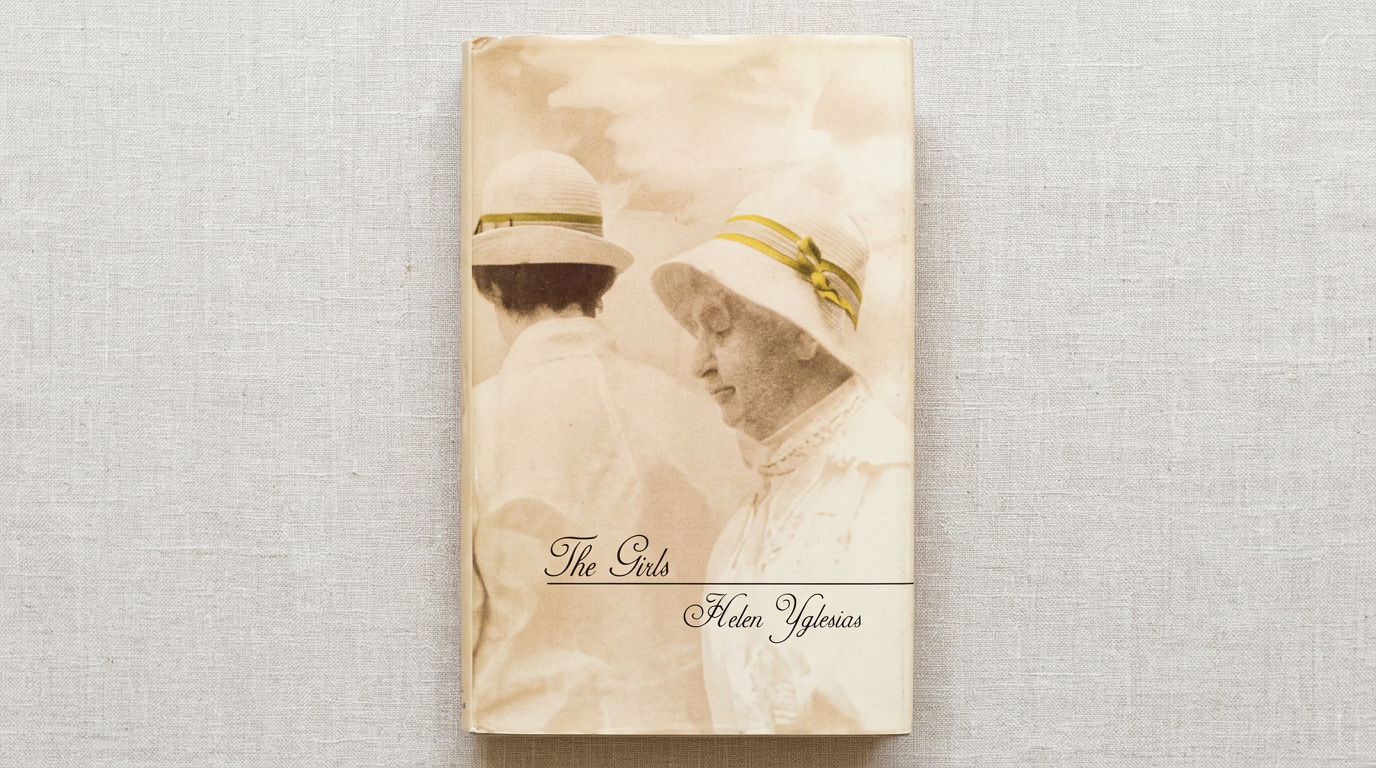
Yglesias published her novel The Girls (Delphinium Books, 1999) when she was eighty-four.
Its primary narrator, Jenny, like Yglesias, grew up in a large Jewish immigrant family in Brooklyn in which sisters outnumbered brothers. Jenny, at eighty, is the baby sister of Flora, eighty-five, Naomi, ninety, and Eva, ninety-five. She has traveled to Miami Beach to help sort out final arrangements for Naomi’s and Eva’s care.
The family is affluent, but no amount of money can assuage the losses of aging, and the novel is realistic in its portrayal of growing old in our society. At the same time, it is laugh-out-loud hilarious, and Yglesias’s prose is sometimes almost poetic, catching the rhythms of the sisters’ lives and speech. Each sister is credible in her own personality, her sense of dress, her attention to hair and cosmetics, her enjoyment of manicures and pedicures, fine food, and elegant surroundings, even as she approaches death.
Those of us in the group who grew up among sisters recognized the ways in which birth order determines roles, even into advanced age. Jenny will always be the baby, and Eva will always be the eldest. Their bickering and their love for one another are entirely convincing.
The novel’s portrayal of old age resonated for many of us.
What keeps the novel from being just a depressing chronicle of decline is how stubbornly alive the sisters are. Naomi is riddled with cancer but still has her tart tongue and her jet-black head of hair, and Flora’s black hair comes straight out of the bottle. Flora, at eighty-five, is dating and making the rounds of the retirement homes with her standup routine, and Yglesias is frank about the continuing importance of the sex drive, even among the very elderly. Flora’s boasts about her boyfriends are among the funniest lines in the book. The outfits, the hair, the manicures, the restaurants seemed to us ways of insisting that one is still a person with tastes and appetites, not yet a patient or a person whose appetites are relegated to a past version of themselves.
And yet the body is a real challenge. The sisters wrestle with aches and pains, wheelchairs and walkers, as well as the questions we all face about independence, loss, and what really matters. Jenny has come to Miami to help Naomi after her second cancer surgery, while Eva hax no diseases but old age, which in a way is its own kind of illness. The opening pages lay it out without flinching: Jenny has flown down to help her two oldest sisters die.
We recognized the paperwork, the tours of facilities, the negotiations over who will pay and who will decide
Our only disappointment was the novel’s ending, which feels abrupt, as if the author simply ran out of material. Naomi and Eva are moved into their elegant nursing home, with its saccharine name, and we know it will be their last home. We agreed that we did not need to follow them into the grave, and that a funeral might have forced the author to introduce other family members. But we still wished for another paragraph or two, not a sentimental ending, but perhaps not such a bleak a one either. Something, we thought, in the key the rest of the novel had taught us to expect: defiant, comic, tender.

